El contenido del artículo está actualmente en inglés; las traducciones al español llegarán pronto.
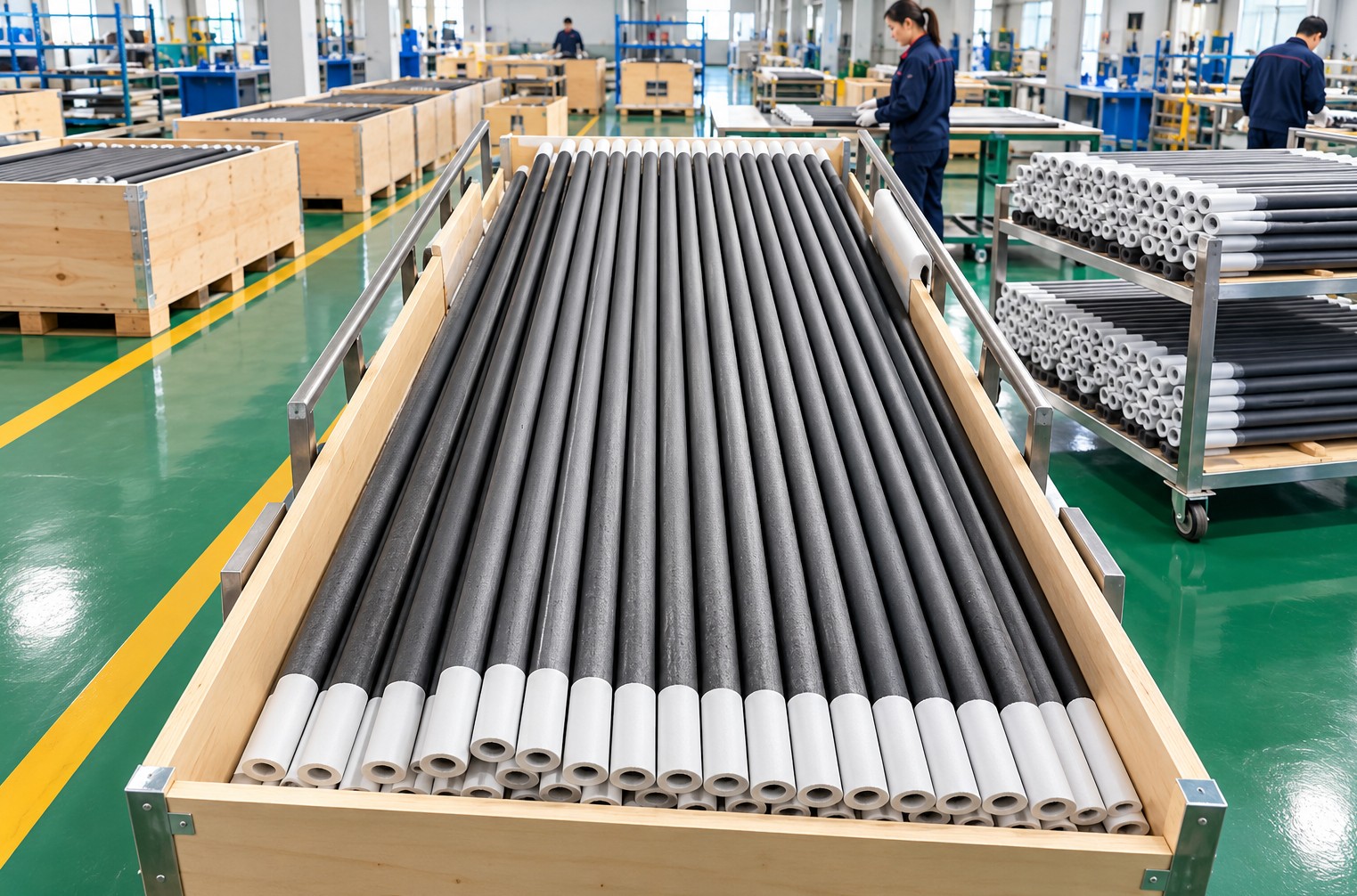
Custom heating elements are often required when an existing furnace uses a non-standard geometry or when a replacement component must match an existing installation. In these cases, a drawing is one of the most useful documents a buyer can send.
The drawing should show the overall dimensions and critical mounting dimensions. For a resistance heating element, it is also important to provide electrical data such as resistance and voltage.
The material or element type should be identified if known. If you are replacing a SiC element, state that clearly. If the furnace uses MoSi₂ elements, provide the model and geometry.
If the drawing does not show the electrical specification, send the furnace nameplate or existing element information separately.
Quantity should be stated clearly. A custom element may be quoted differently for one prototype, a replacement set or a regular production quantity.
Application information is also useful. Tell the supplier whether the element is used in a ceramic kiln, sintering furnace, heat-treatment furnace, glass processing system or another industrial furnace.
The existing SiC product reference includes DL 16 / 400 / 805 / 2.2. The existing MoSi₂ reference includes RS18 3/6 with Le 160, Lu 180 and A 25. These examples show why a quotation needs both geometry and electrical information.
If you only have a photograph, send it. If you have a drawing, send that as well. The supplier can then identify which parameters are confirmed and which need clarification.
For custom heating elements, the fastest quotation process is usually: drawing + element type + resistance + voltage + quantity + furnace temperature + application + delivery destination.
SiC Heating Elements · MoSi₂ Heating Elements · Technical Data · Products Show · Request a Quote